

Compassion International Sponsorship is a sustained way of supporting where donors can connect with children through community projects in their respective localities. Even though the act of giving every month might appear to be a straightforward process, it actually entails a more comprehensive way of supporting child development in areas such as education, healthcare, mentoring, and community care, etc.
Donors who are considering getting into the sponsorship program need to be aware of the way things are done, what their monthly contributions will cover, the importance of communication, and the faith-based aspect of the sponsorship program.
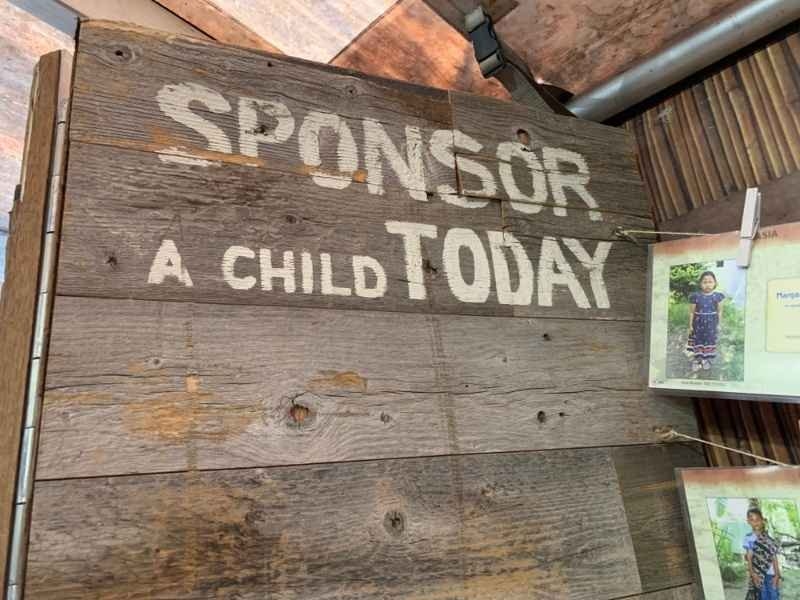
The process is straightforward: you choose a child profile, set up a recurring donation, and begin receiving updates after the sponsorship is active. Profiles usually include a child’s name, age, country, birthday, family situation, and a short note about local needs.
If you decide to sponsor a child through Compassion International, take 15 minutes to read several profiles rather than choosing the first photo that moves you. You might select a child by age, country, birthday, waiting time, or gender; searches such as “compassion sponsor a girl” often come from donors who want to support girls facing barriers to education and safety.
Compassion’s model works through local church partners rather than sending donors into direct management of a child’s life. That structure matters because local staff know the language, community risks, school options, and family needs better than a distant donor can.
Sponsorship funds are pooled at the local program level, so your gift supports the sponsored child through a planned set of services rather than a private cash transfer. Compassion reports that its programs can include health monitoring, nutritional help, educational support, mentoring, spiritual teaching, and safe activities at a local center.
The Compassion Christian child sponsorship model is openly faith-based, so donors should expect Bible teaching and church partnership to be part of the program. For some families, that’s the reason they give; for others, it’s a point to weigh carefully before joining.
Letters are one of the most practical ways to make sponsorship feel human. Keep messages simple: your family, school memories, favorite foods, a short prayer, or encouragement before exams; avoid promises of visits, adoption, or large future gifts.
| Support area | What it may include |
| Education | School fees, tutoring, supplies, or help staying enrolled |
| Health | Checkups, hygiene teaching, screenings, or referrals |
| Nutrition | Meals, supplements, or monitoring for growth concerns |
| Mentoring | Local staff guidance, group activities, and life skills |
Expect communication to move slowly at times. Translation, internet access, school schedules, and local holidays can add weeks between a letter and a reply, so patience is part of the relationship.
The standard monthly sponsorship amount in the United States is commonly listed at $43, though you should check the current figure in your country before signing up. That equals $516 per year, so it deserves a real place in your household budget, not a rushed emotional yes.
Set the payment date for a time of month when your cash flow is steady. If your income varies, consider saving three months of sponsorship funds before you begin, because consistency helps the charity plan program work across the year.
Optional gifts may be available for birthdays, families, or special needs, but they shouldn’t replace the monthly commitment. Ask how much of an extra gift reaches the field, how it is converted into local support, and whether staff chooses items based on the child’s context.
Tax treatment depends on your country and the legal entity receiving the donation. Keep annual receipts, review your account settings each year, and update your card before it expires so the sponsorship doesn’t lapse by accident.
Also Read: Short Selling Explained for Beginner Stock Investors
A good charity should be emotionally compelling and financially clear. Compassion International was founded in 1952 and reports serving more than 2 million children through church partners in many countries, so it has a long operational history and scale.
For donors asking if Compassion International is a good place to sponsor, the answer depends on three checks: mission fit, transparency, and your comfort with a Christian program model. Look at the latest annual report, audited financial statements, leadership information, and third-party charity ratings before making a long-term pledge.
Compare the values and communication methods of the organization to those of other child sponsorship programs in order to see if they align with your goals.
Check Out: What Are Marketable Securities? Meaning, Types, and Uses
Use the same care you’d use with any recurring donation. A strong sponsor is not the person with the biggest gift; it’s the person who understands the promise, can keep it, and communicates with respect.
Ask yourself whether Compassion Christian child sponsorship matches your beliefs about aid, evangelism, local church work, and child development. Also decide whether you want to sponsor a younger child for a longer journey or an older child who may need support through the final years of school.
If your objective is to specifically support girls, then a search for “Compassion Sponsor a Girl” might provide you with information about the various profiles that exist. However, this alone must not determine your choice; the child’s age, community, and individual story also need to be taken into account.
Compassion International Sponsorship may be an ideal choice for those interested in a well-organized and religion-based approach to child development. The selection of the appropriate sponsorship will depend on knowledge of the required monthly expenses, the communication process, and the values of the sponsorship program.
Before becoming a sponsor, you should estimate the costs, do some investigation about the program, and make sure that you are ready for the commitment. With enough patience and a realistic approach, sponsorship may become an ongoing practice of helping the child and the whole community.
The monthly cost is commonly listed at $43 in the United States, but rates can vary by country and may change over time. Check the official donation page before signing up, then treat the amount as a recurring annual commitment of about $516.
It usually means a donor wants to choose a female child profile for sponsorship. You can often filter available children by gender, age, country, or birthday, then read each profile before choosing. Gender can guide your search, but the child’s wider context matters too.
No, the child typically does not receive your monthly donation as cash. Funds support program services delivered through local partners, such as education help, health monitoring, meals, mentoring, and spiritual activities. This pooled approach helps staff respond to real needs in that community.
Yes, you can usually cancel, but it’s better to contact donor support as soon as you know you can’t continue. The organization may look for another sponsor for the child. If your issue is temporary, ask whether payment timing or account changes can help.
No, but Compassion International works through a faith-based Christian sponsorship system, whereby religious exercises are included in the process. The sponsor must have an idea of this before embarking on sponsoring any child. The participating families get material benefits along with the religious exercises.
This content was created by AI